table of contents
- Water Damage and Its Ugly Secrets
- Mold Growth Needs the Right Conditions – And They are Easy to Fulfill
- Indoor Mold Comes in Different Types
- 1. Prevent Regrowth
- 2. Restore the Value
- 3. Remediation of HVAC systems
- 4. Training & Equipment
- 5. Save Time and Money
- 1. Cost Estimation for Insurance Coverage
- 2. Reconstruction
- 3. Mitigation
- Final Thoughts
The sight of the furry, ugly-looking growth that gnaws on walls…
… can make even the strongest-willed a little weak in the stomach.
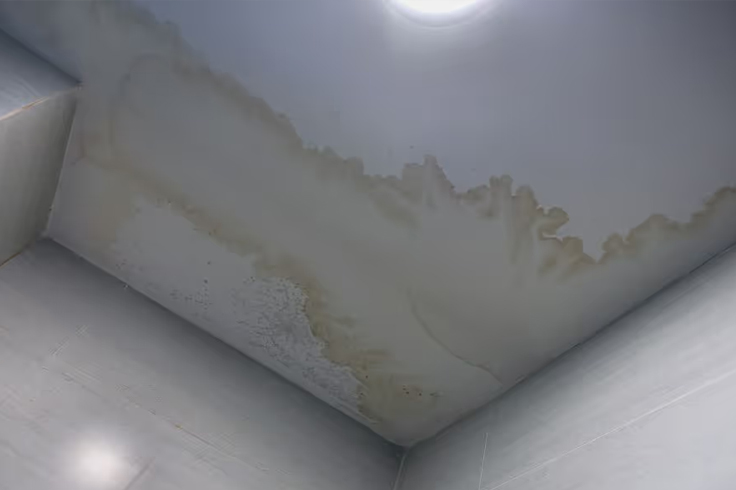
Water damage is catastrophic enough by itself. It can taint the beauty of painted walls, damage structures, and make your house smell damp, and in extreme cases, make you vacate the house.
And if that’s not enough, water damage always brings another inconvenience in its wake – mold growth.
The sight of the furry, ugly-looking growth that gnaws on walls can make even the strongest-willed a little weak in the stomach.
Water Damage and Its Ugly Secrets
You can easily fix a leaking washing machine or a water heater. But what about a flooded basement with furniture and table lamps floating around?
Causes for water damage come in various forms: Some are apparent, while others are not. However, all of them can damage your property and make a real dent in your bank account.
Benign pipe leakage inside a wall and even condensation from the AC – if left unattended for too long – can soon turn into a breeding ground for mold. And from there, the mold can rampantly spread and feast upon your walls and floor.
Water damage may seem minor on the surface. However, mold infestation is its ugly secret that can worsen things as time passes.
To minimize water damage, locating and remediating the source of moisture or leakage is the top priority. When doing it yourself, take precautions against electrical hazards.
Mold Growth Needs the Right Conditions – And They are Easy to Fulfill
Mold is a resilient life form. To breed their colony, they only need small amounts of oxygen, humidity, warmth, and organic substance – dead or alive – to feed.
You might be wondering what the organic material is in your house.
Well, it’s literally everywhere. Examples of organic material include:
- Dead insects in air ducts
- Dead skin cells
- Microscopic organic debris trapped in the wallpaper
- Wood
- Paper
- Pollen seeds stuck to surfaces
- Organic residue stuck to dust and dirt
Food, warmth, and oxygen are ever-present in your house, so it’s not worth worrying about those factors. Yet, by simply keeping the fourth factor (i.e., humidity) under check, you can curb mold growth.
In the right conditions, mold starts germinating within 24 to 48 hours. In another week or so, it becomes visible and begins to grow at an exponential rate.
During the early stages of mold growth, you can still scrape it off the walls or use mold-killing products to get rid of it. No harm done.
Severe cases of mold growth occur when you don’t treat mold growth for a couple of weeks. You can see a large mold outbreak when:
- A house is abandoned for months
- A flooding event happens
- A homeowner suddenly realizes a strange smell coming from the attic
- The chimney has not been cleaned for weeks
Indoor Mold Comes in Different Types
Depending on the temperature and humidity, different types of mold can grow indoors. Some species grow on foods, others prefer wet areas like the kitchen sink and bathroom, yet others grow on walls and ceilings in humid conditions.
Some mold species, like Cladosporium, Aureobasidium, and Penicillium, can induce allergic reactions in homeowners. Other species are harmless to humans but ruin property. The consequences of an infestation can be black and pink spots on the wall, rotting wood, flaky wall paint, etc. Click here to read more about mold types.
Health Issues Caused by Mold
Severe health issues caused by indoor mold growth are rare. However, even if you are an overall healthy person, long-term mold exposure can still cause generic symptoms like a runny nose, coughing, sneezing, sore throat, etc.
People sensitive to mold can experience more adverse effects, such as:
- Allergic asthma
- Allergic rhinitis
- Wheezing
- Coughing
- Headache
- Fever
- Fatigue
- Insomnia
Mold growth triggers the growth of a host of other bacteria that can furthermore cause conditions such as:
- Bronchitis
- Allergic Fungal Sinusitis
- Chronic Rhinosinusitis
- Allergic Fungal Sinusitis
A study conducted in 2010 found a correlation between dampness and mold and the possibility of contracting respiratory infections and bronchitis in residents.
Infants and immunocompromised people living in damp environments with mold exposure are at risk of developing complications like fungal infections and chronic respiratory problems.
Damage Caused to Property
Mold growth significantly depreciates the value of properties.
It looks gross and can deter guests from visiting you. When people start making excuses to avoid your Saturday evening gatherings, you know those pesky fungi are to be blamed!
More noticeable harms caused by mold growth include:
- Reduced indoor air quality
- Peeling paint
- Blackened walls
- Cracks in walls
- Lingering musty smell
- Decaying wood
- Decreased output of HVAC systems
- Stained walls
- Soft and weak drywalls
If mold problems are left untreated for too long, this can result in huge expenses for you later down the road.
Remediation
Remediation begins with drying your home and controlling the source of water damage. Care is needed to stop the spores from spreading; otherwise, you may see another outbreak in a different area in another two weeks or so.
Should you call a professional? That depends on your unique situation. You may be able to deal with mold growth that’s the size of your handkerchief. But can you locate and fix the source of leakage or humidity to prevent mold regrowth?
The EPA recommends getting professional help if the mold growth is more than 3×3 feet.
Reasons To Hire a Professional Remediation Service
1. Prevent Regrowth
Mold remediation companies like Rainfire Restoration work on numerous projects throughout the year. Professionals can precisely pinpoint your unique reason behind mold growth and fix it. It could mean fixing leaking pipes and roofs, disposing of mold-affected articles safely, cleaning and disinfecting the surfaces, etc.
2. Restore the Value
It’s practically impossible to sell a mold-affected house. The presence of mold indicates underlying issues like leakage in pipes and defects in building material.
Professionals can restore the property or increase its value by fixing those issues and improving the aesthetics of your house.
3. Remediation of HVAC systems
HVAC ducts and vents are heavily prone to mold colonization. If you don’t spot it early on, the spores can spread far and wide in your home and breed. Large mold outbreaks can clog the vents and decrease their efficiency.
With the right equipment, professionals can reach the farthest corners, get rid of the mold, and treat the conditions causing the mold in the first place.
4. Training & Equipment
Professionals spend hours learning rules and regulations, mold biology, removal methods, operating equipment, and isolation techniques. They are ready to deal with every possible situation in a cost-effective way.
Professionals can minimize the risk of infection by using PPE kits and reduce environmental damage by adhering to EPA guidelines.
5. Save Time and Money
It might seem counterintuitive, but hiring professionals can save you a lot of money and headache, especially if there’s a large mold outbreak.
On average, minor mold remediations can cost you about $500. When you are paying a professional, you are:
- Saving money on buying equipment and mold-killing primer
- Avoiding the risk of a second outbreak
- Saving professional and personal time
- Retaining the value of your property
- Addressing the root of the mold problem
What to Expect during Professional Mold Remediation
Sometimes mold remediation needs only one day. Other times, multiple visits to your home are required.
The remediation process begins with:
1. Cost Estimation for Insurance Coverage
First, you will need to talk to your agent to understand your insurance coverage. Home insurance doesn’t cover certain conditions. So, make sure to clear all confusion about your insurance policy coverage.
Most likely, the homeowner’s insurance covers only those mold growths that occur due to a covered peril. Mold growth resulting from neglect isn’t covered by insurance. It’s another reason that makes a mold-infested house unattractive to buyers.
We will evaluate the mold growth and give you and your insurance company (If they agree to cover the expenses) a remediation cost estimate.
2. Reconstruction
Our professionals will begin mold remediation and, in addition to removing the mold, we will repair the damage to your home or business property. We will make your house or business livable again by eliminating odors and other signs of mold infestation.
Our services go beyond mold remediation. We will remodel and rebuild your home according to your preferences to make you fall in love with the new look of your home.
Rainfire Restoration’s team has the training and tools necessary to conduct all types of repairs to your walls, doors, frames, roof, and electrical circuits.
3. Mitigation
To reduce the risk of further damage, we will isolate the mold-infested site and articles to keep your belongings and property safe.
We will also clean and dry your home before beginning to work on mold removal. Moving belongings to another area of your house or a storage unit might be required.
We Will Make Things Easier For You
Mold remediation can disrupt your life, and we are here to minimize that! We are trained and certified in mold removal, and we always strive to deliver a cost-effective and efficient service to our clients.
If you want a professional to inspect your mold problems, contact us today!
Inceptos leo rutrum quisque mauris sed eget porta curae. Scelerisque cursus congue tincidunt dignissim percum disret conse quat aenean luctus litora curae aliquet nisl id nunc justo accumsan libero nam velit eros tempor.
Why Choose RainFire Restoration?
When it comes to any damage or remediation, you need a team you can trust. At RainFire Restoration, we bring years of experience and a commitment to excellence to every project. Here’s what sets us apart:
- Expert Technicians: Our team is trained in the latest fire damage and smoke odor removal techniques.
- Comprehensive Services: From cleaning and deodorizing to structural repairs, we handle every aspect of restoration.
- Advanced Equipment: We use state-of-the-art tools and treatments to ensure your home is safe and odor-free.
- Customer-Centric Approach: We’re here to support you every step of the way, providing clear communication and compassionate service.
Final Thoughts
A lingering smoke odor is more than just an inconvenience—it’s a warning sign that your home may still harbor harmful particles and hidden damage. At RainFire Restoration, we’re dedicated to helping you eliminate these risks and restore your home to a safe, comfortable environment.
If you’re struggling with smoke odors or fire damage, don’t wait to take action. Call us today at (385) 336-7246. Let my team and I help you breathe easier and reclaim your home.
Frequently Asked Questions
author info:
About the Author: Alan Seegrist