table of contents
In just the blink of an eye, a flood can completely destroy your basement.
How Bad Can Water Damage Be?
As the owner of RainFire Restoration, I’ve seen firsthand how devastating water damage can be. In just the blink of an eye, a flood can destroy critical areas of your home, leaving behind a trail of destruction that isn’t always immediately visible. Water damage isn’t just about soaked carpets or standing water; it’s about what happens when water seeps into unseen areas, compromising the very foundation of your property.
The materials used to build your home—wood, drywall, insulation—are highly absorbent, allowing water to penetrate deeply. If untreated, this can lead to long-term issues that endanger the structural integrity of your home and threaten your family’s health. In this blog, I’ll break down the most common consequences of water damage, how to recognize the signs, and why acting quickly is essential.
1. The Hidden Dangers of Water Damage
Structural Damage
Water damage doesn’t just leave unsightly stains or warped floors; it can compromise the structural framework of your home. Often, the most dangerous damage is hidden beneath the surface. For instance:
- Cracked Wooden Beams and Supports: These cracks may start small but expand over time as the wood weakens.
- Warped Floors and Ceilings: Prolonged exposure to water can cause wood and drywall to swell and buckle.
- Rust and Corrosion: Metal components, such as nails, screws, and beams, can weaken due to rust.
- Damaged Wiring and Pipes: Water exposure can corrode electrical systems and plumbing, posing safety hazards.
Ignoring these issues can lead to more significant problems like foundation instability or even partial collapse. At RainFire Restoration, we thoroughly inspect your property to identify structural concerns and address them before they escalate.
2. Mold: A Silent Threat
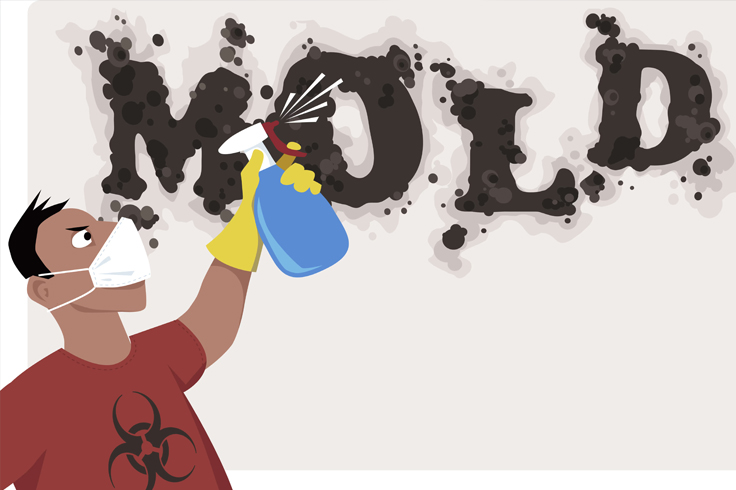
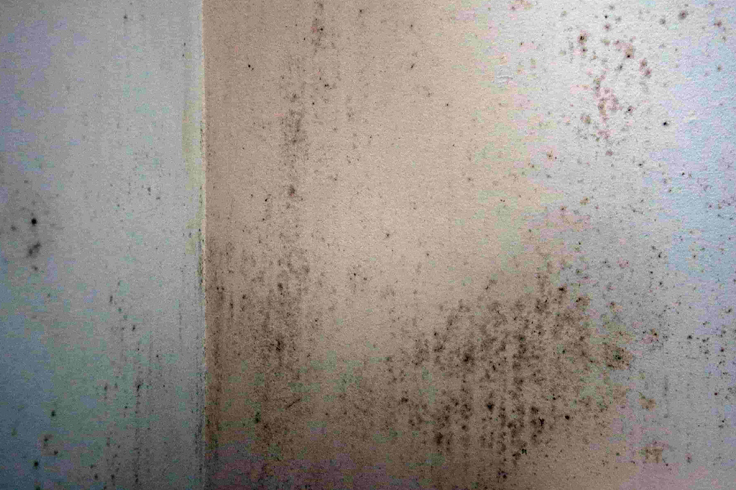
One of the most pervasive and harmful consequences of water damage is mold growth. Mold thrives in damp environments and can begin to spread within 24 to 48 hours of water exposure. Once it takes hold, mold doesn’t stop at the surface—it infiltrates drywall, wood, and carpets, weakening the materials and creating an ongoing cycle of damage.
Health Risks of Mold
Mold spores are microscopic and can become airborne, contributing to respiratory issues and other health problems. Common symptoms of mold exposure include:
- Allergic reactions like sneezing, itching, and watery eyes.
- Asthma flare-ups or breathing difficulties.
- Skin irritation.
Individuals with weakened immune systems are especially vulnerable to severe reactions. If you detect a musty odor or notice discoloration on your walls, it’s crucial to act quickly. At RainFire Restoration, we specialize in mold remediation, using advanced techniques to eliminate mold and restore affected areas.
3. Electrical Hazards
Flooding doesn’t just damage walls and floors; it can wreak havoc on your home’s electrical systems. Water can seep into outlets, wiring, and breaker panels, causing:
- Frequent Electrical Surges: Water-damaged circuits may lead to power fluctuations, harming your appliances and electronics.
- Tripped Breakers: If your breaker keeps tripping, it could be due to water-damaged wiring.
- Power Loss: Intermittent power outages or dimming lights may indicate compromised electrical connections.
These issues aren’t just inconvenient—they’re dangerous. Faulty electrical systems can spark fires or cause severe injury. That’s why our team at RainFire Restoration prioritizes protecting your home’s electrical systems during the cleanup process. We work quickly to minimize risks and restore functionality safely.
4. Preventing Long-Term Damage
Act Fast
The longer water sits, the more damage it causes. Immediate action is critical to minimizing the effects of water damage. Here’s what you can do:
- Remove Standing Water: Use a wet vacuum or pump to remove water as quickly as possible.
- Ventilate the Area: Open windows and use fans to increase airflow and reduce humidity.
- Remove Damaged Items: Move water-soaked furniture and belongings to a dry area to prevent mold growth.
Call the Experts
While DIY measures can help mitigate initial damage, professional restoration is essential for thorough cleanup and repair. At RainFire Restoration, our comprehensive services include:
- Water Extraction: Removing all traces of water from your property.
- Drying and Dehumidification: Ensuring all surfaces and materials are completely dry.
- Mold Remediation: Identifying and eliminating mold to prevent future growth.
- Structural Repairs: Addressing damage to walls, floors, and other critical components.
5. Why Choose RainFire Restoration?
Water damage is more than an inconvenience—it’s a threat to your home’s safety, value, and livability. At RainFire Restoration, we’ve built a reputation for excellence in water damage restoration. Here’s why homeowners across Utah trust us:
- Rapid Response: We offer 24/7 emergency services because we know every minute counts.
- Experienced Technicians: Our team is trained to handle all types of water damage, from minor leaks to major floods.
- Comprehensive Solutions: From initial cleanup to final repairs, we manage every step of the process.
- Customer Focus: We’re committed to restoring your home and giving you peace of mind.
6. Protect Your Home from Future Water Damage
Once your home is restored, it’s essential to take steps to prevent future water damage. Here’s how:
Maintain Your Home
- Inspect Roofing and Gutters: Regularly check for leaks and clear debris from gutters.
- Seal Cracks: Inspect your foundation and walls for cracks and seal them to prevent water intrusion.
- Install Sump Pumps: A sump pump can help keep your basement dry during heavy rains.
Invest in Flood Protection
- Flood Barriers: Use sandbags or other barriers to protect your property during storms.
- Elevate Utilities: Keep electrical panels, appliances, and HVAC systems above flood levels.
- Get Flood Insurance: Standard homeowners’ insurance doesn’t cover flooding. A separate flood policy can save you thousands in repairs.
Final Thoughts
Water damage is a serious issue that requires immediate attention and professional care. At RainFire Restoration, we’re dedicated to helping you recover from the unexpected and protect your home for the future. Whether you’re dealing with a small leak or a major flood, my team and I are here to provide expert solutions tailored to your needs.
Don’t let water damage disrupt your life. Call us at (385) 336-7246 for 24/7 assistance. Together, we’ll restore your home and peace of mind.
Inceptos leo rutrum quisque mauris sed eget porta curae. Scelerisque cursus congue tincidunt dignissim percum disret conse quat aenean luctus litora curae aliquet nisl id nunc justo accumsan libero nam velit eros tempor.
Why Choose RainFire Restoration?
When it comes to any damage or remediation, you need a team you can trust. At RainFire Restoration, we bring years of experience and a commitment to excellence to every project. Here’s what sets us apart:
- Expert Technicians: Our team is trained in the latest fire damage and smoke odor removal techniques.
- Comprehensive Services: From cleaning and deodorizing to structural repairs, we handle every aspect of restoration.
- Advanced Equipment: We use state-of-the-art tools and treatments to ensure your home is safe and odor-free.
- Customer-Centric Approach: We’re here to support you every step of the way, providing clear communication and compassionate service.
Final Thoughts
A lingering smoke odor is more than just an inconvenience—it’s a warning sign that your home may still harbor harmful particles and hidden damage. At RainFire Restoration, we’re dedicated to helping you eliminate these risks and restore your home to a safe, comfortable environment.
If you’re struggling with smoke odors or fire damage, don’t wait to take action. Call us today at (385) 336-7246. Let my team and I help you breathe easier and reclaim your home.