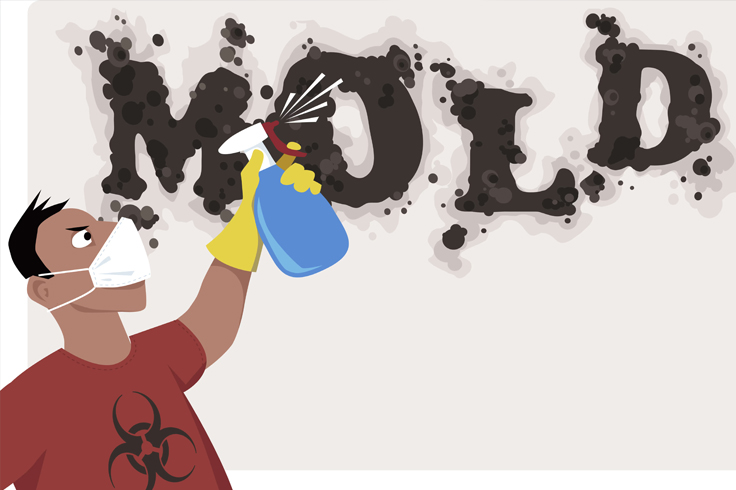
Discover key insights on identifying and eliminating…
… mold to ensure a healthy, safe home.
Mold: a common yet often overlooked problem in many homes. It can lurk in damp corners, behind walls, or under floors, posing significant health risks and damaging property. Understanding how to identify and address mold is essential for maintaining a healthy home. In this comprehensive guide, we’ll explore the ins and outs of mold detection and remediation.
Understanding Mold
Mold is a type of fungus that thrives in moist environments. It reproduces through tiny spores that travel through the air. When these spores land on a damp spot, they can grow, often undetected until they become a larger problem. While mold is a natural part of the environment, excessive indoor mold growth should be prevented.
Health Risks Associated with Mold
Exposure to mold can lead to various health issues, particularly for those with allergies, asthma, or weakened immune systems. Symptoms can include nasal stuffiness, throat irritation, coughing or wheezing, eye irritation, or, in some cases, skin irritation. Prolonged exposure can lead to more serious health problems.
Identifying Mold in Your Home
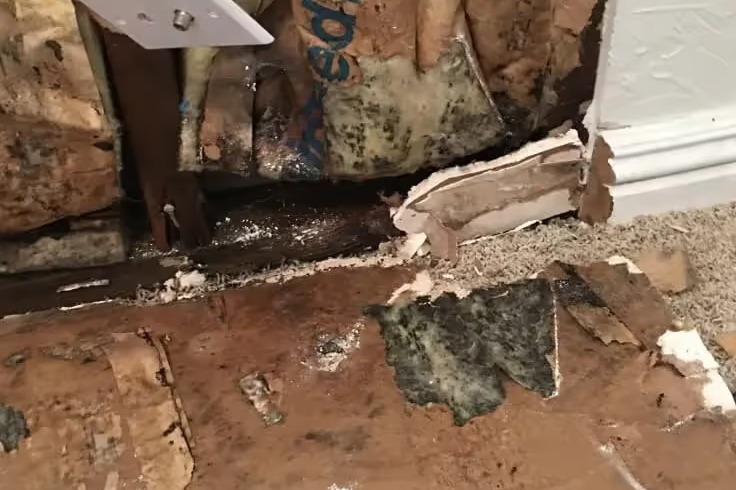
Mold can often be identified by sight or smell. It appears as irregularly shaped spots that can be black, white, green, or even blue in color. A musty, earthy smell is also a strong indicator of mold presence. However, some mold may be hidden behind walls, under carpets, or in other inaccessible areas.
Places Where Mold Commonly Appears
- Bathrooms and kitchens are prone to high humidity and moisture.
- Basements and crawl spaces, where dampness prevails.
- Around leaks in roofs, windows, or pipes.
- In homes that have experienced flooding.
The Mold Inspection Process
If you suspect mold, a professional inspection is crucial. Experts like those at Rain Fire Restoration will use specialized equipment to detect hidden mold and determine the extent of the problem.
DIY vs. Professional Mold Remediation
While minor mold problems can sometimes be handled through DIY methods, significant infestations require professional remediation. This is due to the potential health risks and the need for specialized equipment and techniques.
Professional Mold Remediation Steps
- Containment: The first step is to contain the area to prevent mold spores from spreading during cleanup.
- Filtration: HEPA filters are used to clean the air of mold spores and other particles.
- Removal: Infested materials are removed and disposed of safely. Non-porous surfaces are cleaned with appropriate solutions.
- Drying: It’s crucial to dry the area thoroughly, as moisture is the primary cause of mold growth.
- Repair and Restoration: Any damaged areas are repaired or reconstructed.
Preventing Mold Growth
Prevention is key in the battle against mold. Here are some tips:
- Keep humidity levels in your home low, ideally between 30% and 50%.
- Regularly inspect your home for leaks and fix them promptly.
- Ensure your home is well-ventilated, especially in areas like bathrooms and kitchens.
- Use mold-resistant products in areas prone to moisture.
Conclusion
Mold in your home should never be ignored. By understanding how to identify and properly address mold, you can protect your property and health. If you suspect a mold issue, don’t hesitate to contact professionals like Rain Fire Restoration. With their expertise, your home can be a safe, mold-free environment.
Inceptos leo rutrum quisque mauris sed eget porta curae. Scelerisque cursus congue tincidunt dignissim percum disret conse quat aenean luctus litora curae aliquet nisl id nunc justo accumsan libero nam velit eros tempor.
Why Choose RainFire Restoration?
When it comes to any damage or remediation, you need a team you can trust. At RainFire Restoration, we bring years of experience and a commitment to excellence to every project. Here’s what sets us apart:
- Expert Technicians: Our team is trained in the latest fire damage and smoke odor removal techniques.
- Comprehensive Services: From cleaning and deodorizing to structural repairs, we handle every aspect of restoration.
- Advanced Equipment: We use state-of-the-art tools and treatments to ensure your home is safe and odor-free.
- Customer-Centric Approach: We’re here to support you every step of the way, providing clear communication and compassionate service.
Final Thoughts
A lingering smoke odor is more than just an inconvenience—it’s a warning sign that your home may still harbor harmful particles and hidden damage. At RainFire Restoration, we’re dedicated to helping you eliminate these risks and restore your home to a safe, comfortable environment.
If you’re struggling with smoke odors or fire damage, don’t wait to take action. Call us today at (385) 336-7246. Let my team and I help you breathe easier and reclaim your home.