table of contents
- 1. Get the water stopped.
- 2. Call a reputable flood restoration company.
- 3. Consider all your options.
- “RainFire Restoration was a god-send for us,” said Mark. “They were responsive, professional, and handled all the details of working with subcontractors, specialists, and insurance adjusters, so we could focus on getting our lives back to normal.”
- Why not put Rainfire Restoration in your contacts right now? (385) 336-7246.
- Why Choose RainFire Restoration?
- Final Thoughts
These 3 steps will save you time and money.
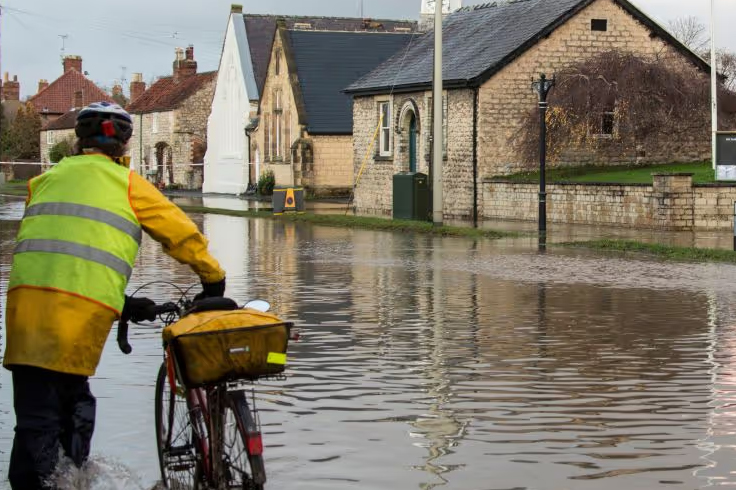
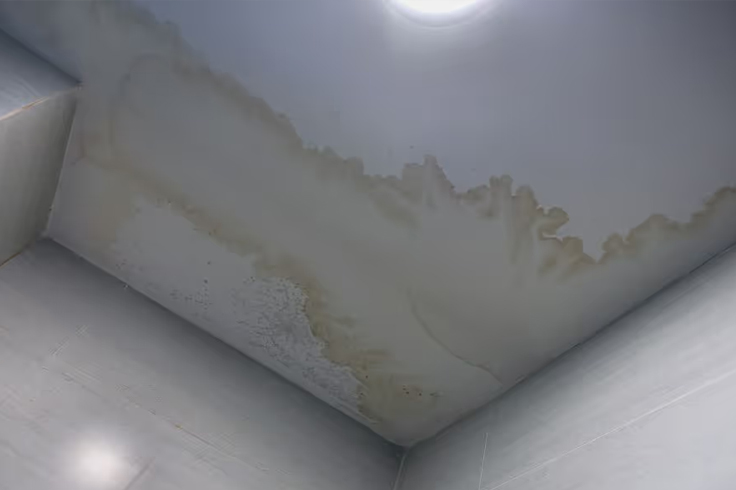
Most of us never think of dealing with water problems in the house (other than the dog running inside and shaking off after getting hosed down). Until the day you step onto what has always been a stable, dry floor and you hear that sickening ‘squish’ and feel the cold trickle leaking into your shoes. It’s a heart-stopping experience.
You’re in a disaster. So, what do you do? There’s no 911 for a broken pipe in the kitchen or a leaking fridge line, or a toilet.
That first call is the most crucial to getting things resolved right. And the wrong call can add distress to disaster.
Ask Mark & Cynthia Dayton, homeowners in Orem, UT. Mark recently walked into his kitchen one morning for a drink of water. But the water wasn’t where he expected it.
“I stepped onto the kitchen floor and nearly lost my balance,” he recalls. “The hardwood floor was so warped and buckled, it was like walking on rough cobblestones.” Water from a faulty reverse osmosis system had leaked under the floor (and into the basement), buckling the floor, damaging the cabinets, and creating havoc downstairs.
His call to the insurance company resulted in a disaster cleanup stopgap that stopped the leak, but left them wondering what to do next. “I talked to the insurance company, and they offered me a quick settlement to make the repairs,” said Mark. “It turned out this original offer was 1/10th of the eventual cost of the restoration.”
Fortunately for the Daytons, they contacted RainFire Restoration, and the whole picture changed. “They are experts in restoration, and especially dealing with insurance companies,” Mark said. “Their thorough, persistent interaction with the insurance company secured 10 times the original amount and resulted in rebuilding the kitchen of my wife’s dreams.”
Call the Experts First
In retrospect, the Daytons would have had a much happier experience following this simple checklist:
1. Get the water stopped.
Turn off the valve to the faucet or source of the leak. (Find out now where the main water shutoff is in your house so you can shut it off quickly in case of an emergency).
2. Call a reputable flood restoration company.
This is the crucial next step. As the Daytons pointed out, companies with extensive insurance-interface experience can save thousands of dollars and days (or months in the Dayton’s case) of headaches. They can also advise you on how best to interact with your insurance carrier in filing a claim.
3. Consider all your options.
A good restoration company will help you explore the best way to restore your home. This may include putting it back the way it was, but could include changes or additions that make for an even better outcome – all within your time and budget constraints.
“RainFire Restoration was a god-send for us,” said Mark. “They were responsive, professional, and handled all the details of working with subcontractors, specialists, and insurance adjusters, so we could focus on getting our lives back to normal.”
“RainFire Restoration was a god-send for us”
Hopefully, you’ll never have to deal with an unplanned flood in your home. But knowing where the water shutoff is, and having a reputable restoration company’s information in your contacts, will at least answer the question, “What do I do now?”
Why not put Rainfire Restoration in your contacts right now? (385) 336-7246.
You’ll be glad you did.
Why Choose RainFire Restoration?
When it comes to any damage or remediation, you need a team you can trust. At RainFire Restoration, we bring years of experience and a commitment to excellence to every project. Here’s what sets us apart:
- Expert Technicians: Our team is trained in the latest fire damage and smoke odor removal techniques.
- Comprehensive Services: From cleaning and deodorizing to structural repairs, we handle every aspect of restoration.
- Advanced Equipment: We use state-of-the-art tools and treatments to ensure your home is safe and odor-free.
- Customer-Centric Approach: We’re here to support you every step of the way, providing clear communication and compassionate service.
Final Thoughts
A lingering smoke odor is more than just an inconvenience—it’s a warning sign that your home may still harbor harmful particles and hidden damage. At RainFire Restoration, we’re dedicated to helping you eliminate these risks and restore your home to a safe, comfortable environment.
If you’re struggling with smoke odors or fire damage, don’t wait to take action. Call us today at (385) 336-7246. Let my team and I help you breathe easier and reclaim your home.
Frequently Asked Questions
author info:
About the Author: Alan Seegrist