table of contents
Looking to Schedule an Assessment?

Contact RainFire Restoration Directly!

Here are a few tips to help save you money and protect your property.

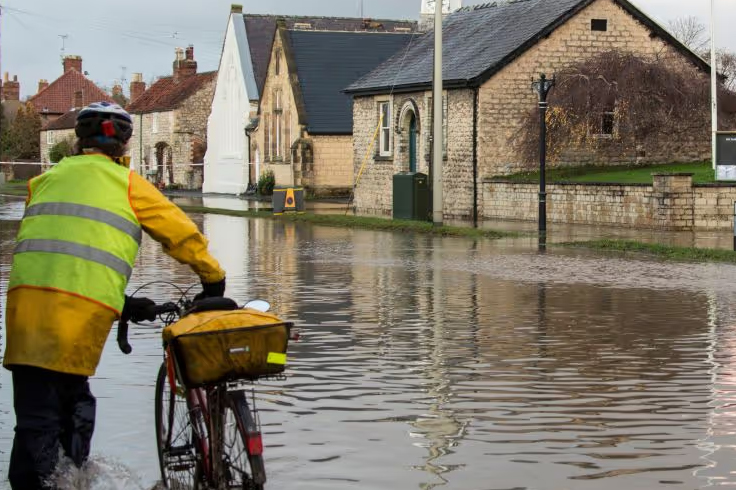
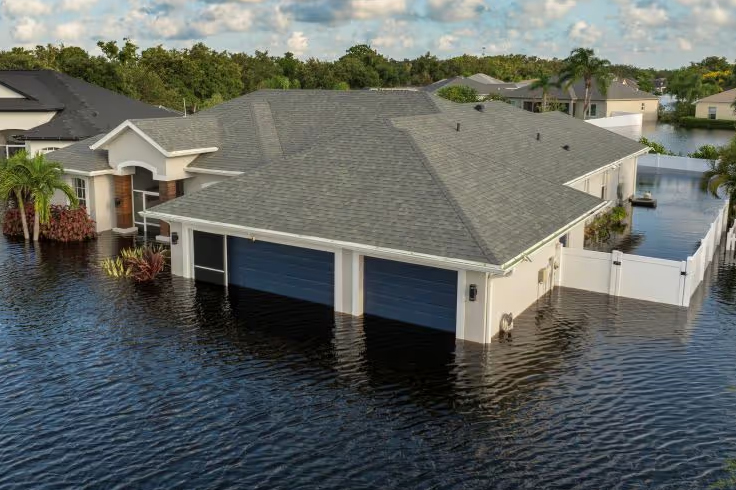
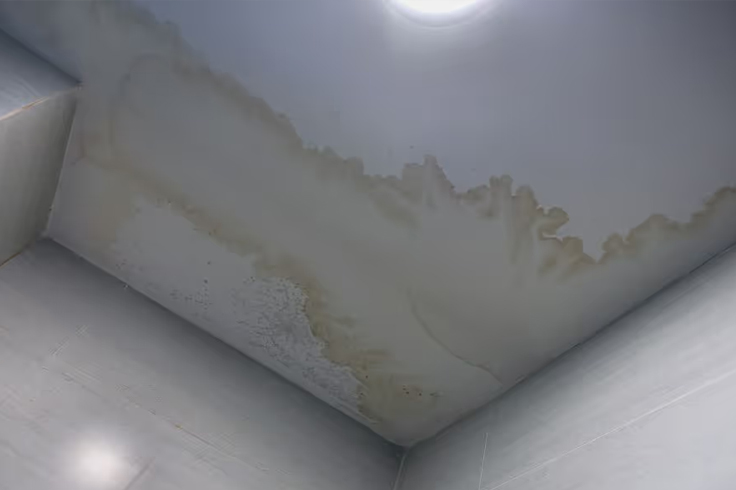
Flooding strikes sometimes when we are not prepared, but if you’re lucky, you can minimize the damage from the flooding. Here are a few tips to help save you money and protect your property:

1. Identify the problem:

When you notice your home might be having a flooding problem, the first step is to see if the source of your flood is something you can stop. Is the flooding coming from your plumbing?  Answers to these questions can help with step 2.

2. Solve the problem:

When your pipes are leaking or some other plumbing is causing your flooding, then shut off the water. If it is an external source, utilize sandbags to prevent more water from entering, and make sure all the potential drainage points (like gutters) are free and clear of debris.

3. Protect Belongings:

Now that you have done everything you can to prevent further damage to your home, now is time to protect all precious items and other belongings from water damage. Don’t forget decor such as rugs.

4. Dry it out

As soon as there is no threat of rain damage, open up all windows and doors to allow airflow through the room so as to dry out damaged areas and prevent mold growth.

Sometimes problems are too urgent to seek professional help immediately, and these steps are for those situations; however, professional disaster services can help and potentially save you money of further damages, so once your initial steps are taken, give us a call.

Frequently Asked Questions

If you notice flooding, your first step is to identify the source of the water—whether it’s a plumbing issue inside your home or water coming from outside. Address what you can control immediately, like shutting off indoor water or setting up sandbags to reduce more water from entering your property.

After stopping or slowing the water source, move valuables and precious items to higher ground or dry areas. This includes furniture, décor, and anything that can be damaged by standing water. Doing this early reduces the risk of irreversible damage.

Yes. Once the flooding threat has passed, drying the affected space helps prevent mold growth and lingering moisture issues. Opening windows and doors to create airflow helps speed drying. For more severe flooding, professional drying and moisture removal may be necessary.

You should consider professional help when the situation is beyond the quick, initial steps you can safely take yourself. Flood damage often involves hidden moisture, structural risks, and possible contamination — professionals can fully assess and mitigate that.

Yes — minimizing damage early by stopping the source, protecting belongings, and drying affected areas can reduce the overall destruction and cleanup required later. However, even after initial efforts, professional restoration can help prevent long-term problems like mold and structural damage, ultimately saving you money.

author info:

About the Author: Alan Seegrist

Alan Seegrist is the co-founder of RainFire Restoration and a certified restoration expert with over eight years of hands-on experience in water, fire, mold, and smoke damage recovery. Known for his calm leadership and deep technical knowledge, Alan leads with a commitment to quality, compassion, and helping Utah families rebuild after disaster. His insights reflect real-world experience restoring over 1,000 homes and guiding clients through every step of the recovery process.
your home and business restoration partner

view related content