table of contents
Looking to Schedule an Assessment?

Contact RainFire Restoration Directly!

Nature’s Raging Elements

Spring and Summer are teasing us here in Utah, but the rain and snow just keep on coming.  As it starts to grow warmer, the snow is beginning to melt, and you know what that means – potential flooding! After last year, when Utah had its driest year on record, we’re all very grateful for how much rain and snow we’ve gotten, but we do need to be cautious!

“Right now, there is well over the volume in the snowpack that would fill that reservoir, even if it were empty,” says Scott Paxman, Assistant General Manager of the Weber Basin Water Conservancy District, according to the Salt Lake Tribune.

This means we have much more snow than we anticipated!

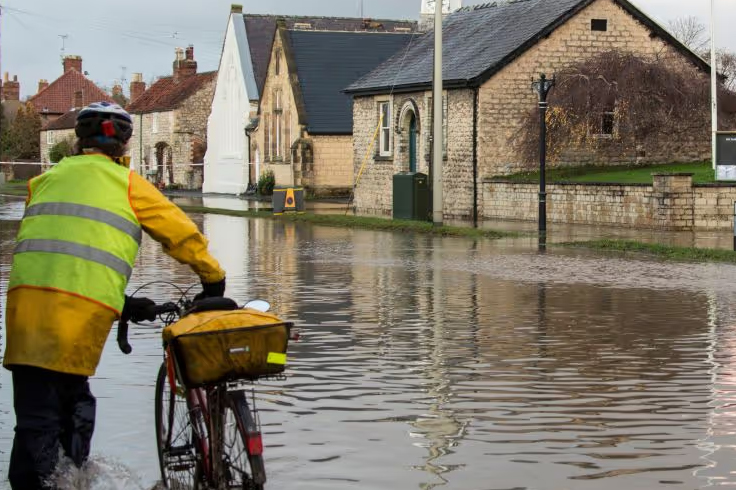
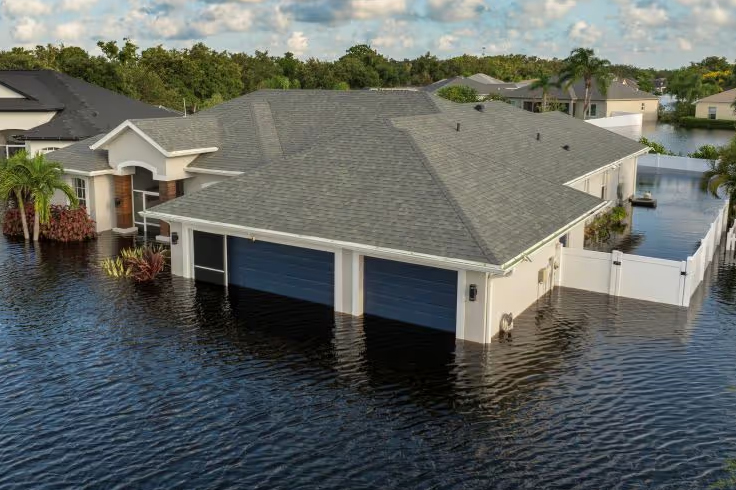
Floods can be unpredictable, but there are a few things you can do to be more prepared in case of this unfortunate event!

  • Check with your local council to go over local flood plans and to see if you are in a problem area.
  • Make sure to have those emergency kits on hand!
  • Make a flood plan with the members of your household.
  • Check your insurance policy to see if you are covered for flood damage.
  • Make sure to keep important personal documents or valuables in a waterproof container or safe.

And always remember, if you do need any flooding repair in Utah, at RainFire Restoration, we are equipped to repair your home professionally and efficiently.  We have the best equipment, and our technicians use standards established by the IICRC (Institute of Inspection, Cleaning and Restoration Certification), to ensure that you receive the best services possible!

Frequently Asked Questions

As we all know, as temperatures warm in spring and early summer, accumulated mountain snow begins to melt. That water flows into streams, rivers, and low-lying areas. When the volume of melting snow is high—especially after above-average snowfall—it can overwhelm natural drainage systems, leading to flooding.

Yes. When rain falls on existing snowpack here in Utah, it accelerates the melting process and adds additional water at the same time. The combined input of rainwater and meltwater can lead to more rapid and significant runoff, thereby increasing flood risk in certain areas of the state.

Preparing for flooding includes:

  • Checking local flood plans and knowing whether your property is in a flood-prone area.

  • Preparing emergency kits and establishing a family flood plan.

  • Review your insurance coverage to see if flood damage is included (standard homeowners insurance typically doesn’t cover flooding).

  • Protecting important documents in waterproof containers.

Yes — flooding can occur outside designated flood zones in Utah, especially during rapid snowmelt or heavy rains. Standard homeowner policies often do not cover flood damage, so many experts recommend considering separate flood insurance, particularly if your area is prone to runoff or near waterways.

Watch for:

  • Rapidly warming temperatures causing quick snowmelt.

  • Rainfall on top of snowpack.

  • Rising water levels in rivers, streams, and drainage channels.

  • Higher than usual snowpack water equivalent measurements

All of these can signal increased potential for flooding as runoff moves downstream

author info:

About the Author: Alan Seegrist

Alan Seegrist is the co-founder of RainFire Restoration and a certified restoration expert with over eight years of hands-on experience in water, fire, mold, and smoke damage recovery. Known for his calm leadership and deep technical knowledge, Alan leads with a commitment to quality, compassion, and helping Utah families rebuild after disaster. His insights reflect real-world experience restoring over 1,000 homes and guiding clients through every step of the recovery process.
your home and business restoration partner

view related content