table of contents
- A Water Leak Case Study
- 1. Ensure Safety First
- 2. Call Your Insurance Company Immediately
- 3. Document Everything
- Take Photos and Videos
- Keep Records
- 4. Navigate the Insurance Claims Process
- Prepare for the Adjuster’s Visit
- Keep Detailed Records
- 5. Mitigate Further Damage
- 6. Contact a Trusted Flood Restoration Company
- Why Choose RainFire Restoration?
A Water Leak Case Study
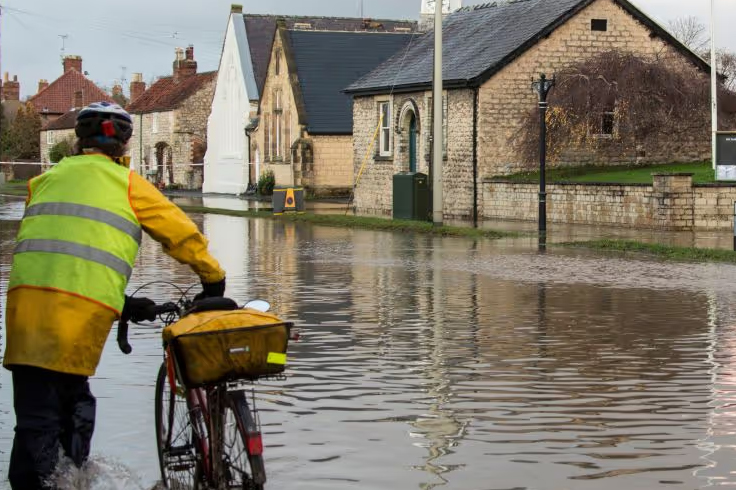
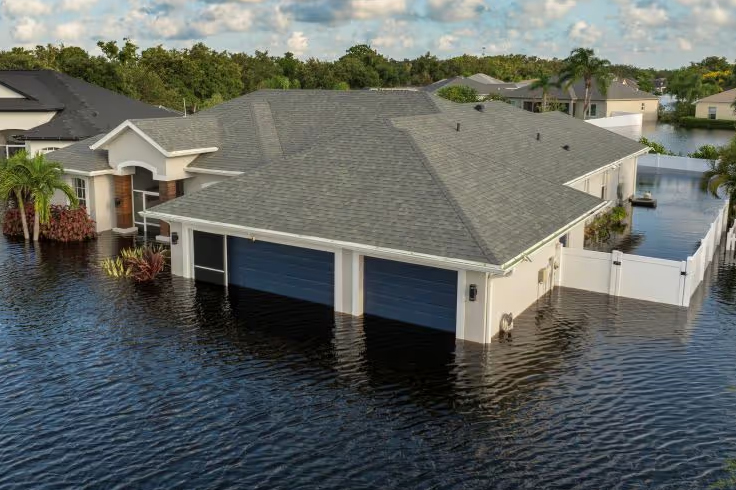
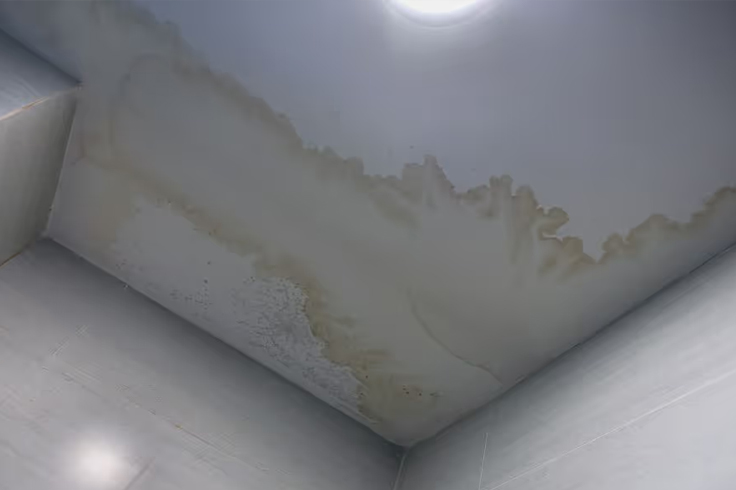
As the owner of RainFire Restoration, I’ve worked with countless homeowners and businesses in Utah facing flood damage. It’s a stressful and overwhelming experience, but knowing what to do in the critical moments after a flood can make all the difference. Whether it’s a burst pipe, heavy rains, or rising waters, acting quickly and following the right steps will help minimize damage, expedite the restoration process, and ensure your safety.
In this comprehensive guide, I’ll walk you through everything you need to know about responding to a flood emergency. From immediate actions to filing insurance claims and working with restoration professionals, my goal is to provide you with the knowledge and confidence to handle any flood situation effectively.
1. Ensure Safety First
Floodwaters can be extremely dangerous, and your first priority should always be the safety of your family and yourself. Here’s what to keep in mind:
- Avoid Entering Flooded Areas: Floodwaters often contain contaminants, including sewage, chemicals, and debris. They can also hide electrical hazards and structural damage.
- Turn Off Utilities: If it’s safe to do so, shut off electricity, gas, and water to your home. If you’re unsure, contact your utility company for guidance.
- Evacuate If Necessary: If authorities advise evacuation, follow their instructions promptly. Always have an emergency kit ready with essentials like food, water, medications, and important documents.
Remember, no property is worth risking your life. Always prioritize safety over possessions.
2. Call Your Insurance Company Immediately
Once it’s safe, your next step is to contact your insurance company. Acting quickly is crucial because:
- Policy Requirements: Many policies have specific requirements you must follow to ensure coverage. Your insurer will guide you on what to do and what documentation they’ll need.
- Prevention of Further Damage: Insurance adjusters often need to assess the damage before cleanup begins. Starting repairs too soon could affect your claim.
When you speak with your insurance agent, ask these key questions:
- What is covered under my policy?
- Do I have coverage for additional living expenses if I need to relocate temporarily?
- How long will it take to get an adjuster to my property?
- Are there any approved contractors I should work with?
Taking these steps early helps streamline the claims process and gets you on the path to recovery faster.
3. Document Everything
One of the most important things you can do after a flood is to document the damage thoroughly. This will be critical for your insurance claim and can protect you if there are disputes. Here’s how to do it effectively:
Take Photos and Videos
- Walkthrough Video: Use your smartphone to create a video walkthrough of your entire property, inside and out. Narrate as you go, describing what you see.
- Close-Up Photos: Take multiple close-up pictures of damaged items, structural issues, and water-affected areas. Include everything—furniture, appliances, flooring, walls, and personal belongings.
- Exterior Damage: Don’t forget to document exterior damage, including landscaping, vehicles, or outdoor structures affected by the flood.
Keep Records
- Inventory of Damaged Items: Create a detailed list of everything damaged, including the approximate value of each item.
- Receipts and Valuations: If you have receipts, warranties, or appraisals for high-value items, include them with your records.
Having comprehensive documentation ensures you’re prepared for your insurance adjuster and helps maximize your claim.
4. Navigate the Insurance Claims Process
Dealing with insurance companies can be daunting, but understanding the process makes it much smoother. Here are my top tips:
Prepare for the Adjuster’s Visit
- Organize Your Documentation: Have your photos, videos, inventory, and insurance policy ready.
- Be Present: If possible, be on-site during the adjuster’s visit to answer questions and ensure they see all the damage.
- Ask Questions: Don’t hesitate to ask the adjuster for clarification on anything you don’t understand. Their role is to help you navigate your claim.
Keep Detailed Records
- Written Proof: Document all interactions with your adjuster and insurance agent. Save emails, take notes on phone calls, and keep copies of all correspondence.
- Proof of Loss: The adjuster will provide you with a “Proof of Loss” form, which you’ll submit to your insurer. Review it carefully before signing.
5. Mitigate Further Damage
While you wait for your adjuster and restoration team, take steps to prevent further damage to your property. This can include:
- Remove Standing Water: If it’s safe, use pumps or wet vacuums to remove standing water. Avoid using regular household vacuums.
- Ventilate the Area: Open windows and doors to allow airflow and reduce humidity. Use fans and dehumidifiers if available.
- Remove Wet Items: Move water-soaked furniture, rugs, and other items to a dry area or outside to prevent mold growth.
Be sure to document any actions you take to show your insurance company that you’ve done your part to mitigate damages.
6. Contact a Trusted Flood Restoration Company
This is where RainFire Restoration comes in. As a trusted flood cleanup and restoration provider in Utah, my team and I are here to help you through every step of the recovery process. We offer 24/7 emergency services because we know that disasters don’t wait for convenient hours.
Why Choose RainFire Restoration?
- Rapid Response: Time is critical in flood situations. Our emergency crew is available any day, any time.
- Comprehensive Services: From water extraction and drying to mold remediation and reconstruction, we handle it all.
- Experienced Professionals: With years of experience, we know how to address flood damage efficiently and effectively.
- Customer-First Approach: Your peace of mind is our priority. We’ll work closely with you and your insurance company to make the process as smooth as possible.
Don’t wait to get help. Call us at (385) 336-7246, and we’ll be there to assist you.
7. Preventing Future Flood Damage
After the immediate crisis is handled, it’s worth taking steps to reduce the risk of future floods. Here are some strategies:
Inspect and Maintain Your Home
- Seal Cracks and Gaps: Check your foundation, walls, and windows for cracks or gaps and seal them to prevent water intrusion.
- Maintain Gutters and Drains: Keep gutters and downspouts clear of debris to ensure proper drainage.
- Install Sump Pumps: A sump pump in your basement can help remove water and prevent flooding.
Consider Floodproofing Measures
- Elevate Utilities: Raise electrical panels, appliances, and HVAC systems above flood levels.
- Flood Barriers: Use sandbags or flood barriers to protect vulnerable areas during heavy rains.
- Invest in Flood Insurance: Standard homeowners’ insurance doesn’t cover flooding. Consider a separate flood insurance policy if you’re in a high-risk area.
Inceptos leo rutrum quisque mauris sed eget porta curae. Scelerisque cursus congue tincidunt dignissim percum disret conse quat aenean luctus litora curae aliquet nisl id nunc justo accumsan libero nam velit eros tempor.
Final Thoughts
Dealing with a flood is never easy, but with the right approach, you can minimize damage and get your life back to normal as quickly as possible. At RainFire Restoration, we’re here to support you every step of the way. If you’re facing flood damage, don’t hesitate to reach out. My team and I are ready to help you restore your property and peace of mind.
Remember, you don’t have to face this alone. Call us anytime at (385) 336-7246. Together, we’ll get through this.
Frequently Asked Questions
author info:
About the Author: Alan Seegrist